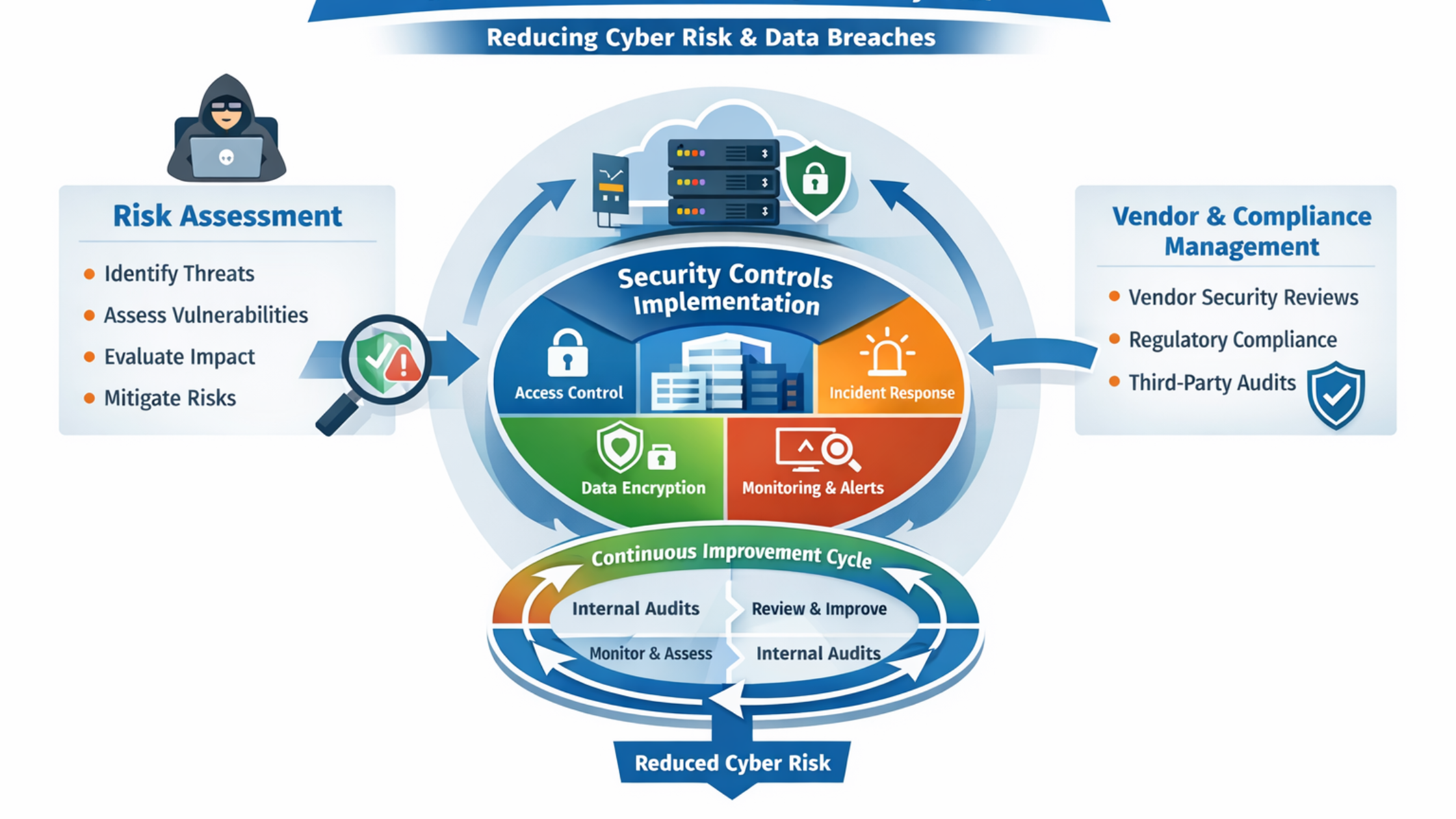
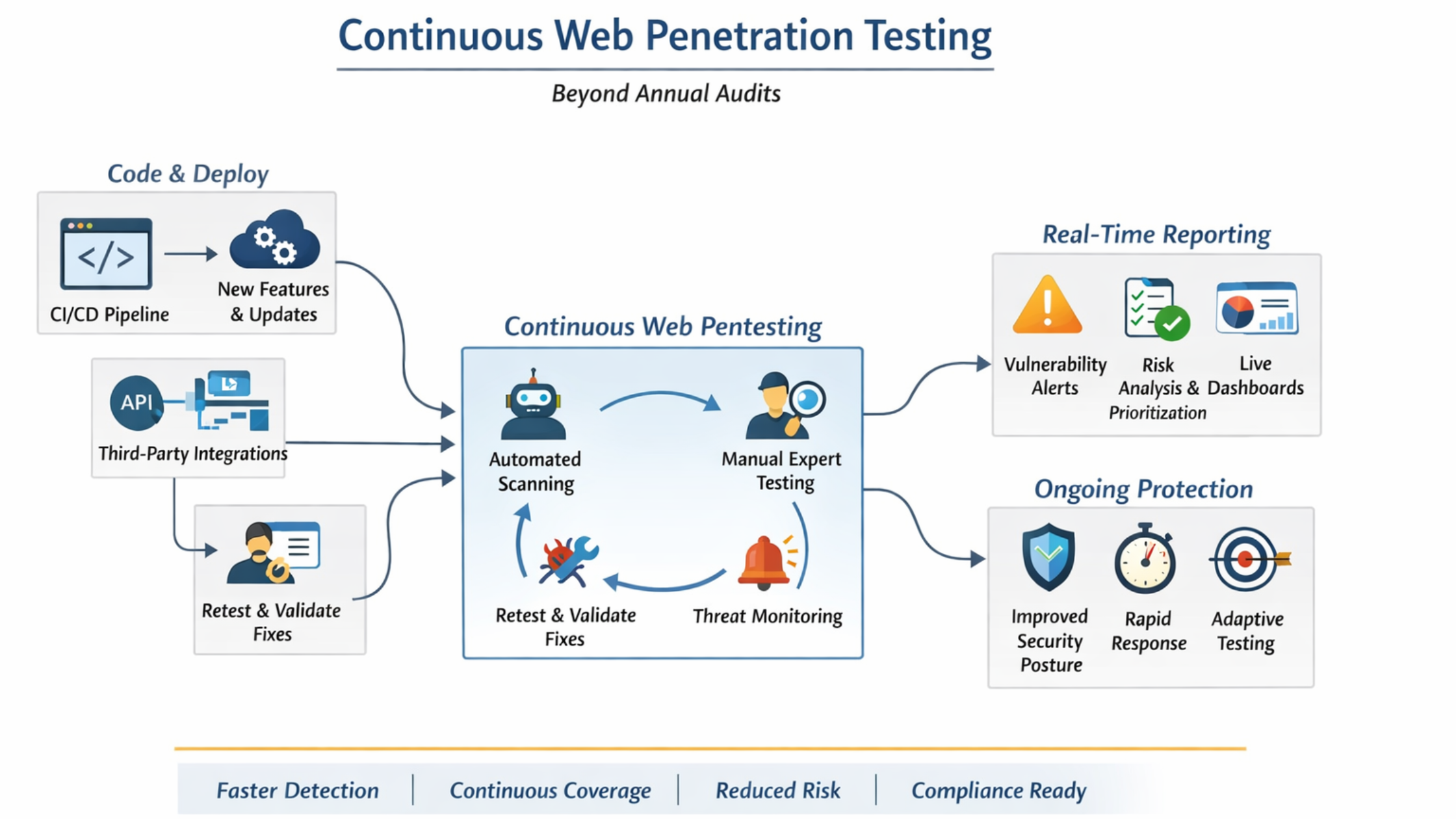
In 2026, cyber threats are no longer occasional incidents—they are constant, intelligent, and highly automated. Businesses of all sizes are facing ransomware attacks, data breaches, compliance failures, and supply-chain risks at an unprecedented scale. Traditional, in-house security models are struggling to keep up with this rapidly changing threat landscape.
This is why businesses across industries are shifting toward managed information security services. Instead of building and maintaining expensive internal security teams, organizations are partnering with specialized security providers to gain continuous protection, expert monitoring, faster incident response, and regulatory compliance.
Managed information security services are no longer seen as optional support. In 2026, they have become a core part of business resilience and digital growth.
The Cybersecurity Landscape in 2026
The cybersecurity environment in 2026 is more complex than ever before. Attackers are using artificial intelligence, automation, and advanced social engineering techniques to bypass traditional security controls. At the same time, businesses are operating across cloud platforms, remote work environments, SaaS applications, and global digital supply chains.
Key challenges businesses face today include:
- AI-driven cyber attacks that adapt in real time
- Increasing ransomware and double-extortion incidents
- Shortage of skilled cybersecurity professionals
- Complex compliance requirements across regions
- Lack of real-time visibility into security threats
These challenges have made it difficult for internal IT teams to manage security effectively on their own. As a result, businesses are turning to managed information security services for comprehensive and scalable protection.
What Are Managed Information Security Services?
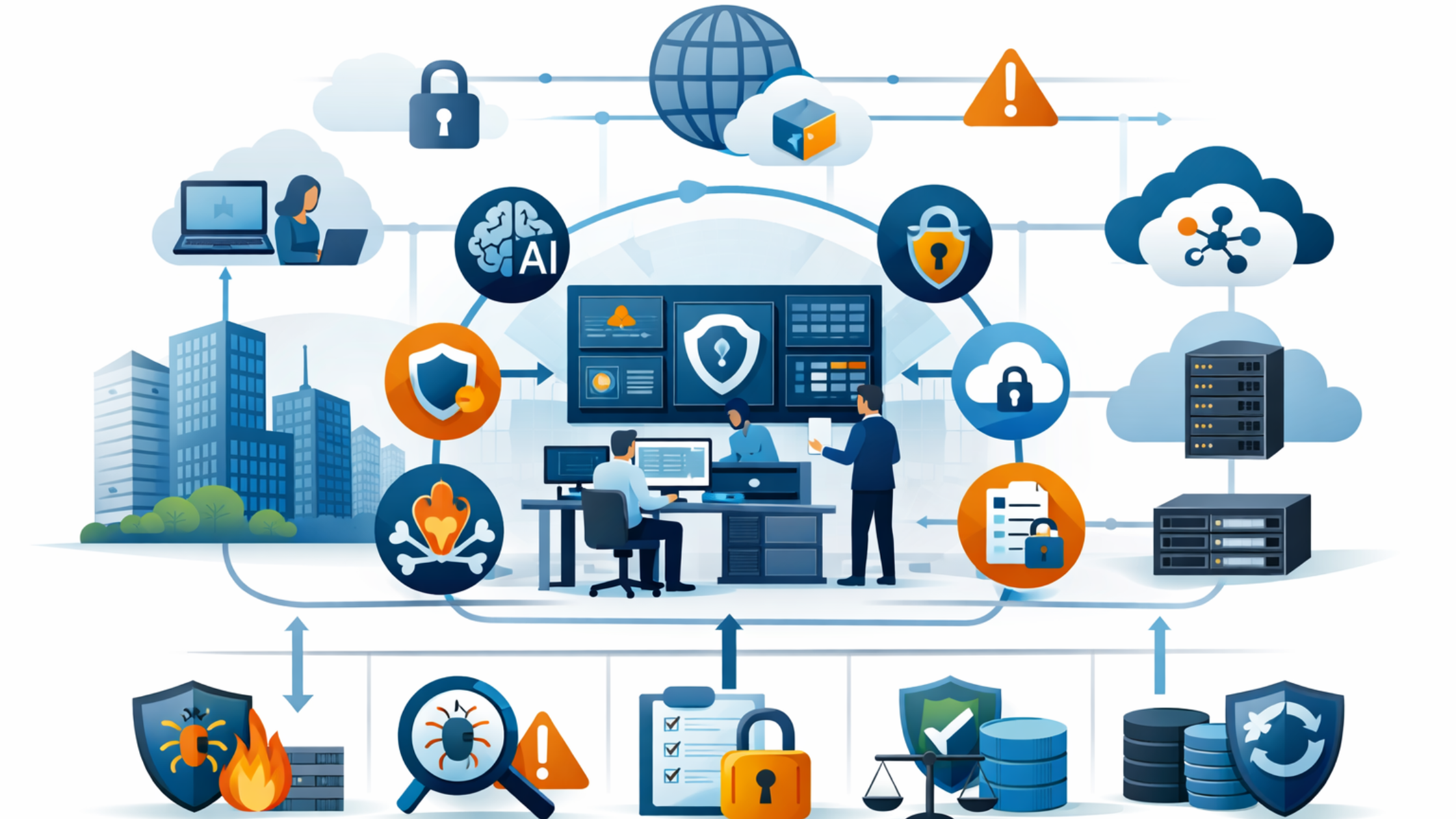
Managed information security services involve outsourcing security operations to a specialized provider that delivers continuous monitoring, threat detection, incident response, compliance support, and risk management.
Instead of relying only on internal tools and staff, businesses gain access to:
- 24×7 Security Operations Centers (SOC)
- Advanced threat intelligence platforms
- Certified security professionals
- Automated detection and response systems
- Compliance and audit support
In 2026, managed information security services are designed to integrate seamlessly with cloud, hybrid, and on-premise environments, offering centralized security management across the entire digital ecosystem.
Why Businesses Are Moving Away from In-House Security Models
Maintaining an in-house security team has become increasingly difficult and expensive. Skilled cybersecurity professionals are in short supply, and retaining them requires high salaries, continuous training, and advanced tooling.
Many businesses struggle with:
- Limited security expertise across multiple domains
- Slow response to incidents outside office hours
- Fragmented security tools with poor integration
- High operational costs without guaranteed results
Managed information security services solve these issues by providing immediate access to specialized skills, proven processes, and enterprise-grade security technologies—without the burden of managing everything internally.
Cost Efficiency and Predictable Security Spending
One of the biggest reasons businesses are shifting to managed information security services in 2026 is cost control. Building a full in-house security program requires significant investment in tools, staff, training, and infrastructure.
Managed services offer:
- Predictable monthly or annual pricing
- Reduced capital expenditure on security tools
- Lower costs compared to hiring full-time experts
- Scalable services based on business growth
By outsourcing security operations, businesses can redirect internal resources toward innovation and revenue-generating activities while maintaining strong security coverage.
24×7 Monitoring and Faster Incident Response
Cyber attacks do not follow business hours. Many breaches occur at night, on weekends, or during holidays when internal teams are unavailable.
Managed information security services provide:
- Continuous monitoring of networks, endpoints, and cloud workloads
- Real-time threat detection and alerting
- Rapid incident investigation and containment
- Reduced mean time to detect (MTTD) and respond (MTTR)
In 2026, speed is critical. A delay of even a few minutes can result in data loss, financial damage, or regulatory penalties. Managed services ensure businesses are protected at all times.
Advanced Threat Detection Using AI and Automation
Modern cyber threats are too advanced for traditional, rule-based security tools. Attackers use AI to evade detection, exploit zero-day vulnerabilities, and mimic legitimate user behavior.
Managed information security services leverage:
- AI-powered behavioral analytics
- Machine learning–based threat detection
- Automated correlation of security events
- Proactive threat hunting
These technologies allow managed security providers to detect suspicious activity early and respond before attacks escalate into major incidents.
Support for Cloud, Hybrid, and Remote Work Environments
By 2026, most businesses operate in hybrid IT environments that include public cloud, private cloud, SaaS platforms, and remote endpoints. Securing such environments requires specialized expertise and continuous visibility.
Managed information security services offer:
- Cloud security posture management (CSPM)
- Protection for SaaS and cloud workloads
- Endpoint security for remote employees
- Centralized security management across platforms
This unified approach helps businesses reduce blind spots and maintain consistent security policies across all environments.
Simplifying Compliance and Regulatory Requirements
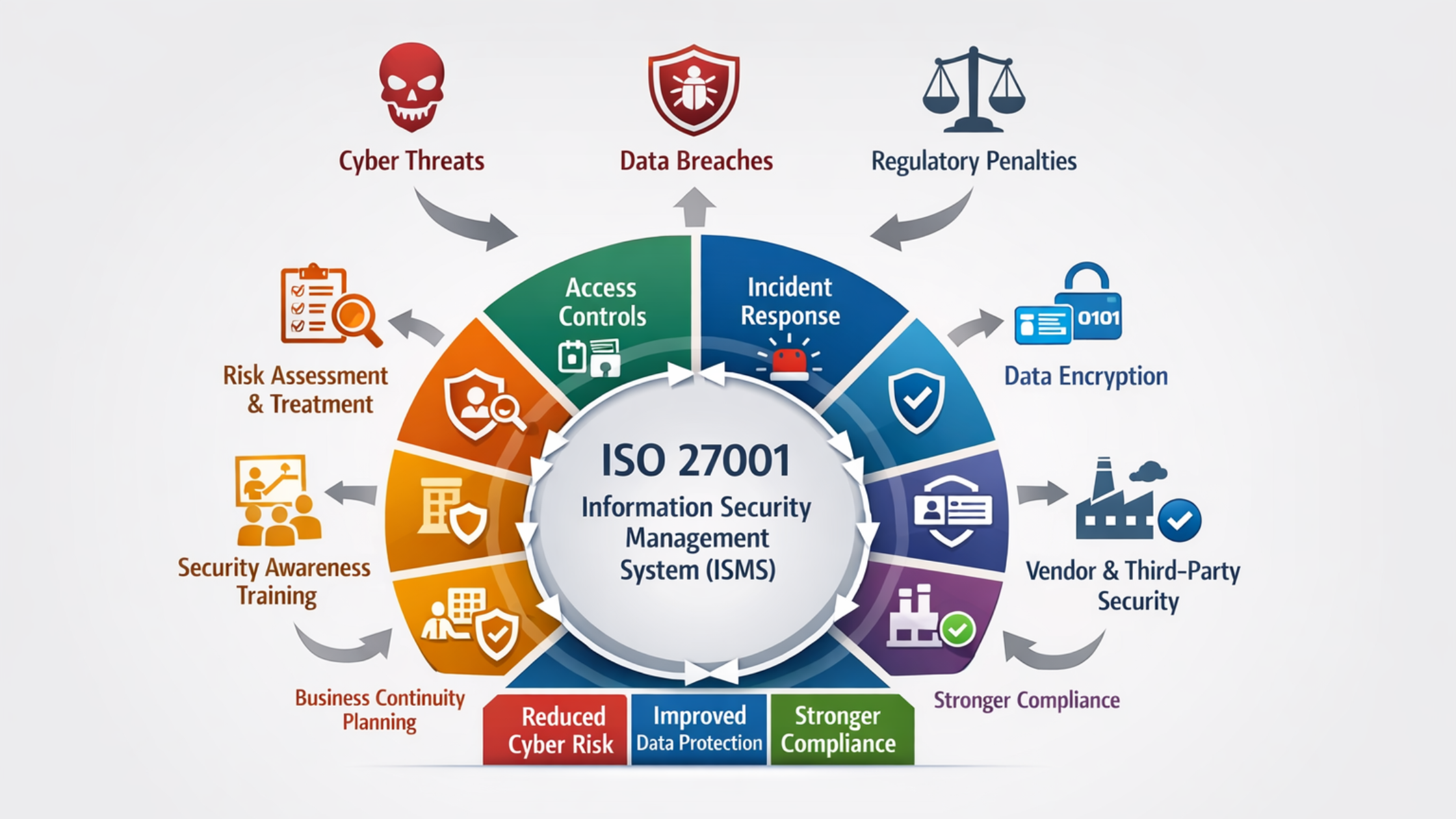
Compliance requirements continue to expand globally. Businesses must meet standards such as ISO 27001, SOC 2, GDPR, HIPAA, PCI DSS, and emerging regional regulations.
Managed information security services help organizations:
- Implement security controls aligned with compliance frameworks
- Monitor compliance continuously instead of during audits only
- Prepare documentation and evidence for audits
- Reduce the risk of fines and legal penalties
In 2026, compliance is no longer a one-time activity—it is an ongoing process that managed services are well-equipped to handle.
Access to Specialized Security Expertise
Cybersecurity now covers multiple domains, including cloud security, identity management, threat intelligence, incident response, and compliance. Hiring experts in all these areas internally is unrealistic for most businesses.
Managed information security services provide access to:
- Certified security analysts and engineers
- Incident response specialists
- Compliance and risk management experts
- Threat intelligence researchers
This depth of expertise allows businesses to address complex security challenges without building large internal teams.
Improved Business Continuity and Cyber Resilience
Security incidents can disrupt operations, damage brand reputation, and lead to financial losses. Managed information security services focus not only on prevention but also on resilience.
They support:
- Incident response planning and testing
- Disaster recovery and business continuity alignment
- Post-incident analysis and improvement
- Reduced downtime during security events
In 2026, businesses prioritize resilience—ensuring they can continue operations even when attacks occur.
Scalability for Growing and Global Businesses
As businesses grow, their security requirements change. New locations, cloud workloads, users, and applications introduce additional risks.
Managed information security services scale easily by:
- Adding new monitoring coverage without major delays
- Adapting security controls to changing environments
- Supporting global operations with centralized visibility
This flexibility makes managed services ideal for startups, SMEs, and enterprises alike.
Focus on Core Business Goals
Security management can consume significant internal time and effort. By outsourcing security operations, businesses can focus on what matters most—innovation, customer experience, and growth.
Managed information security services allow leadership teams to:
- Reduce operational burden on IT teams
- Gain clear security insights through dashboards and reports
- Align security strategy with business objectives
In 2026, security is no longer just an IT issue—it is a business enabler.
Conclusion
The shift toward managed information security services in 2026 is driven by necessity, not convenience. The increasing complexity of cyber threats, shortage of skilled professionals, rising compliance demands, and expansion of cloud environments have made traditional security models unsustainable.
Managed information security services provide businesses with continuous protection, advanced threat detection, regulatory support, and scalable security operations—all at a predictable cost. More importantly, they enable organizations to remain secure while focusing on growth and innovation.
As cyber risks continue to evolve, businesses that adopt managed information security services are better positioned to protect their data, maintain trust, and stay competitive in a digital-first world.